Enviro Drawings are site specific events documented by the artist as a means to explore atmospheric shifts, conceptual perspectives, and poetic visual narratives.

The term drawing is used broadly to describe site details that incorporate line or mark making, the layering or interweaving of impermanent and soft materials such as cloth, fiber, or paper, as well as compositions generated by the land or surface of bodies of water (with or without the aid of the artist). This activity is not necessarily a means to create art or environmental art. Instead, it aims to highlight phenomena that are often overlooked or overshadowed by a site’s history or intended use.
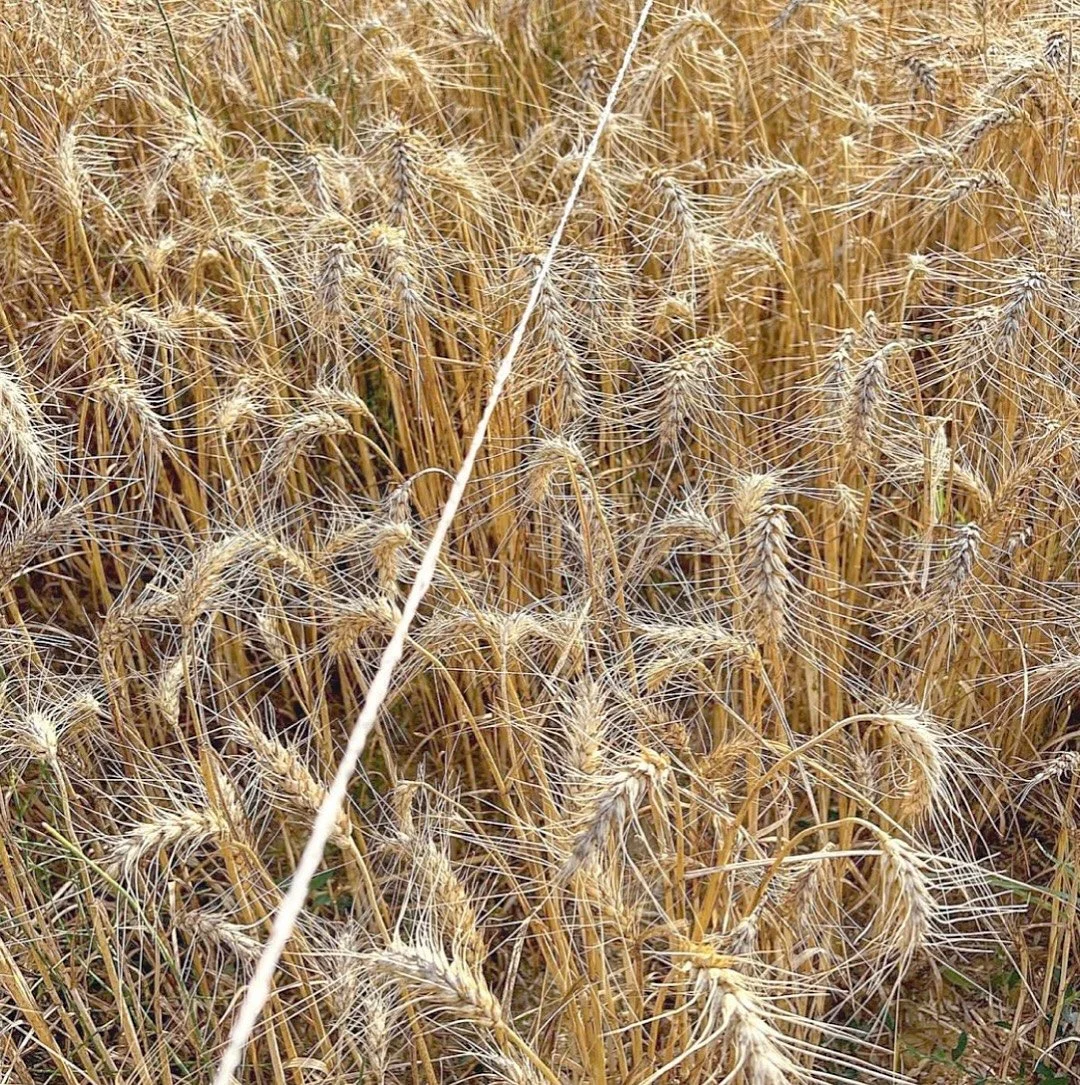
A field of ripe golden wheat with tall stalks and heavy heads of grain.
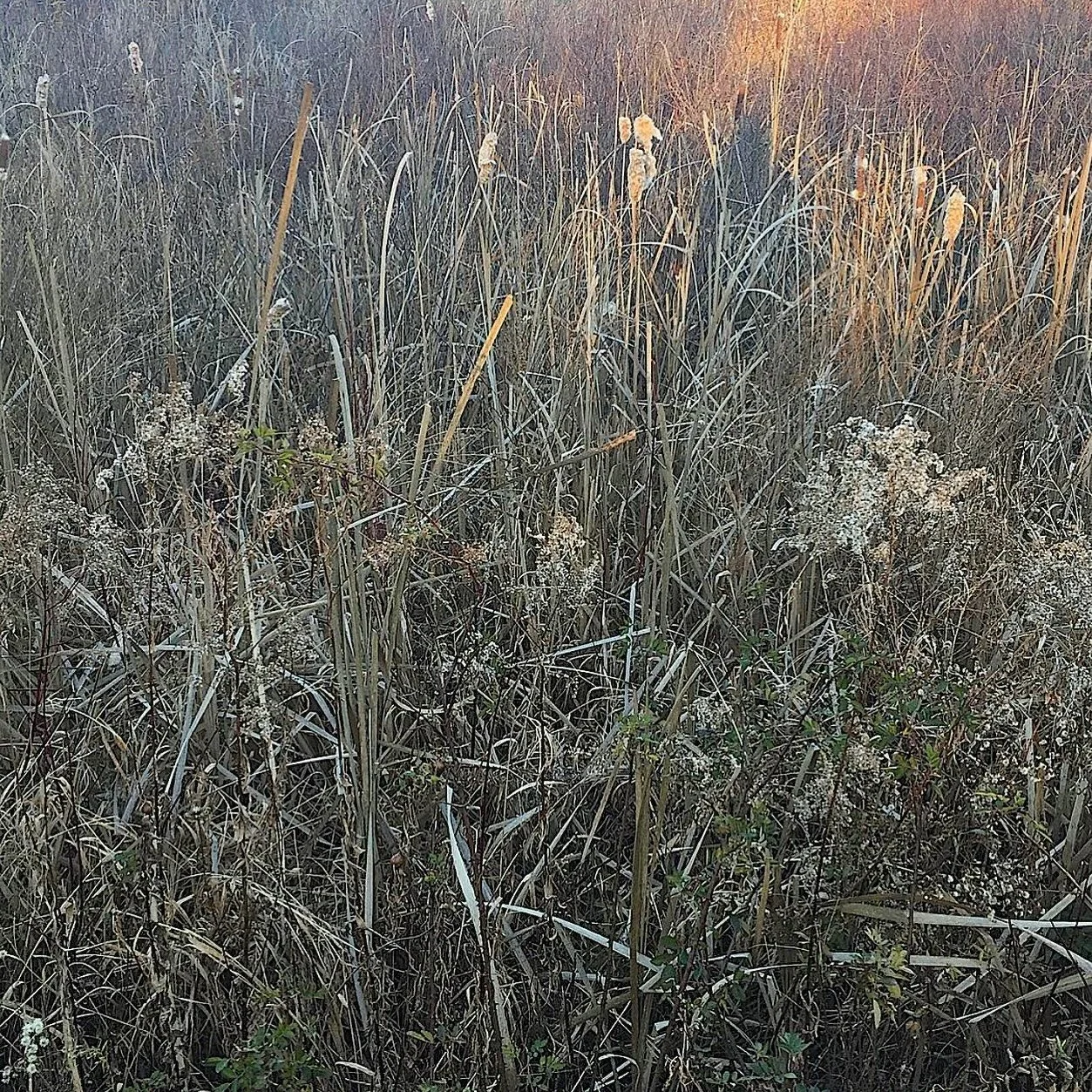
A dense field of tall, dried grasses and wildflowers with some green plants mixed in, captured during late autumn or early winter.
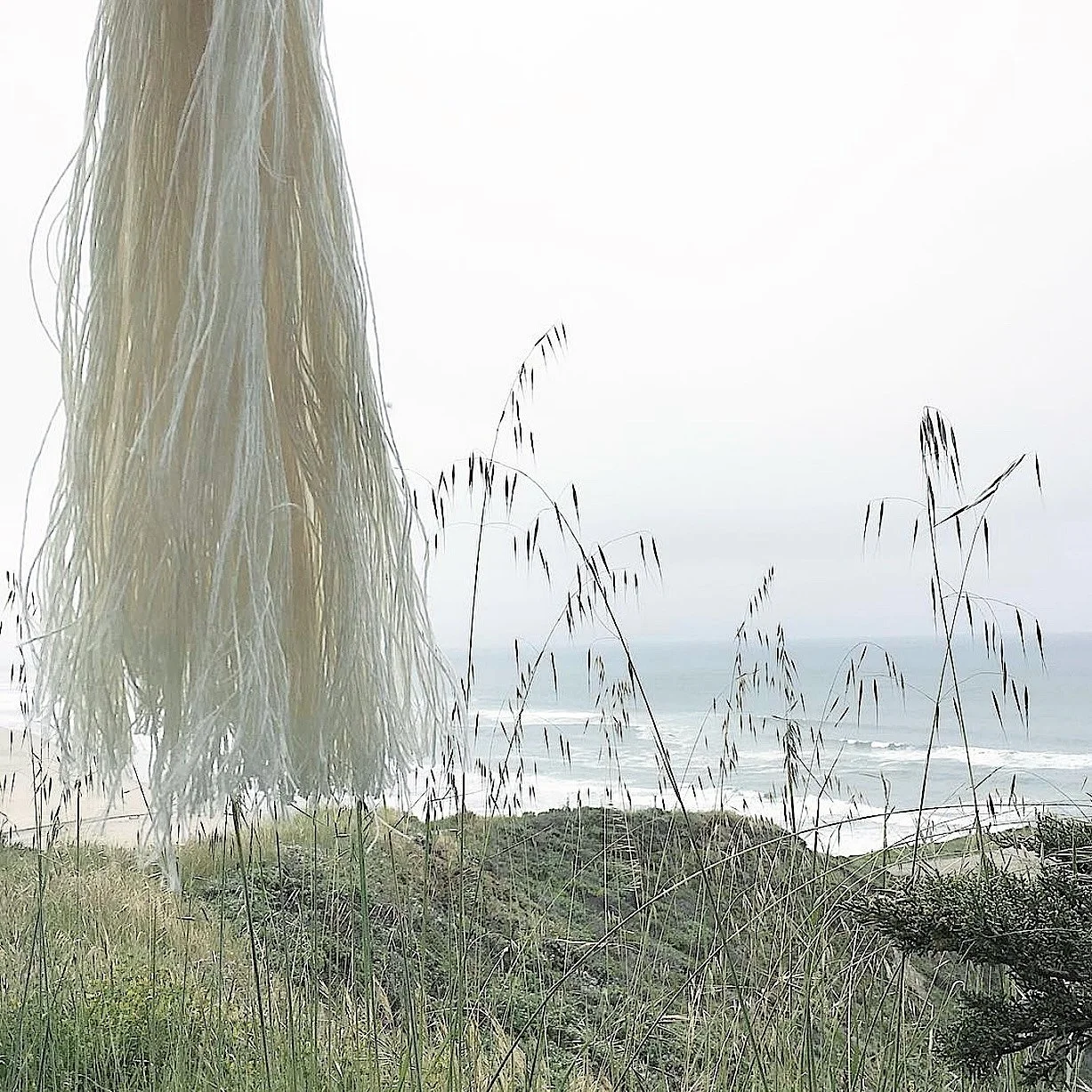
Dried grass and plants on a foggy beach with ocean waves in the distance.
Close-up of a tree branch with green foliage over a body of water, with a cloudy sky in the background.
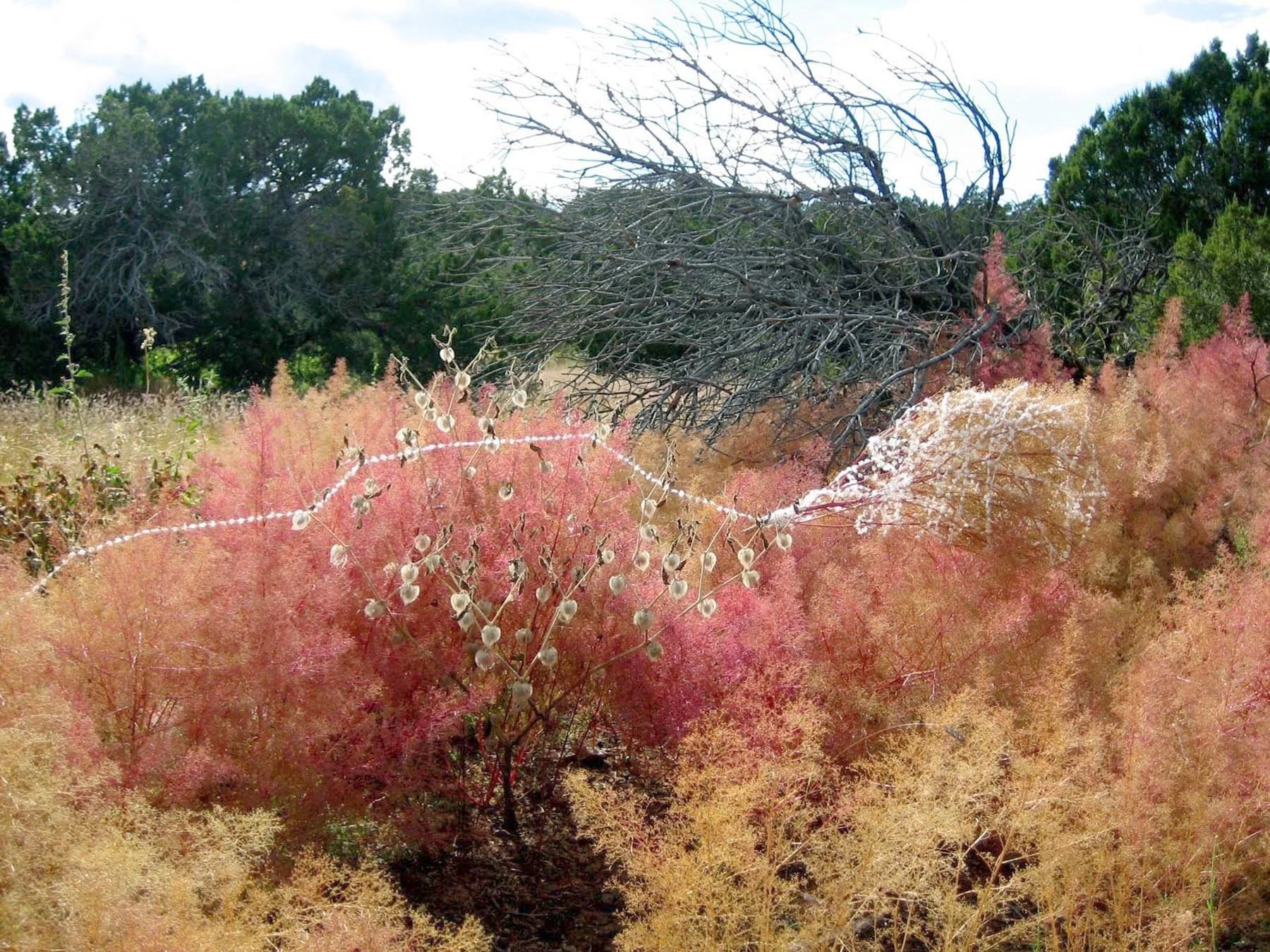
Dry desert plants and bushes with pink and beige foliage under a partly cloudy sky, with some green trees in the background.
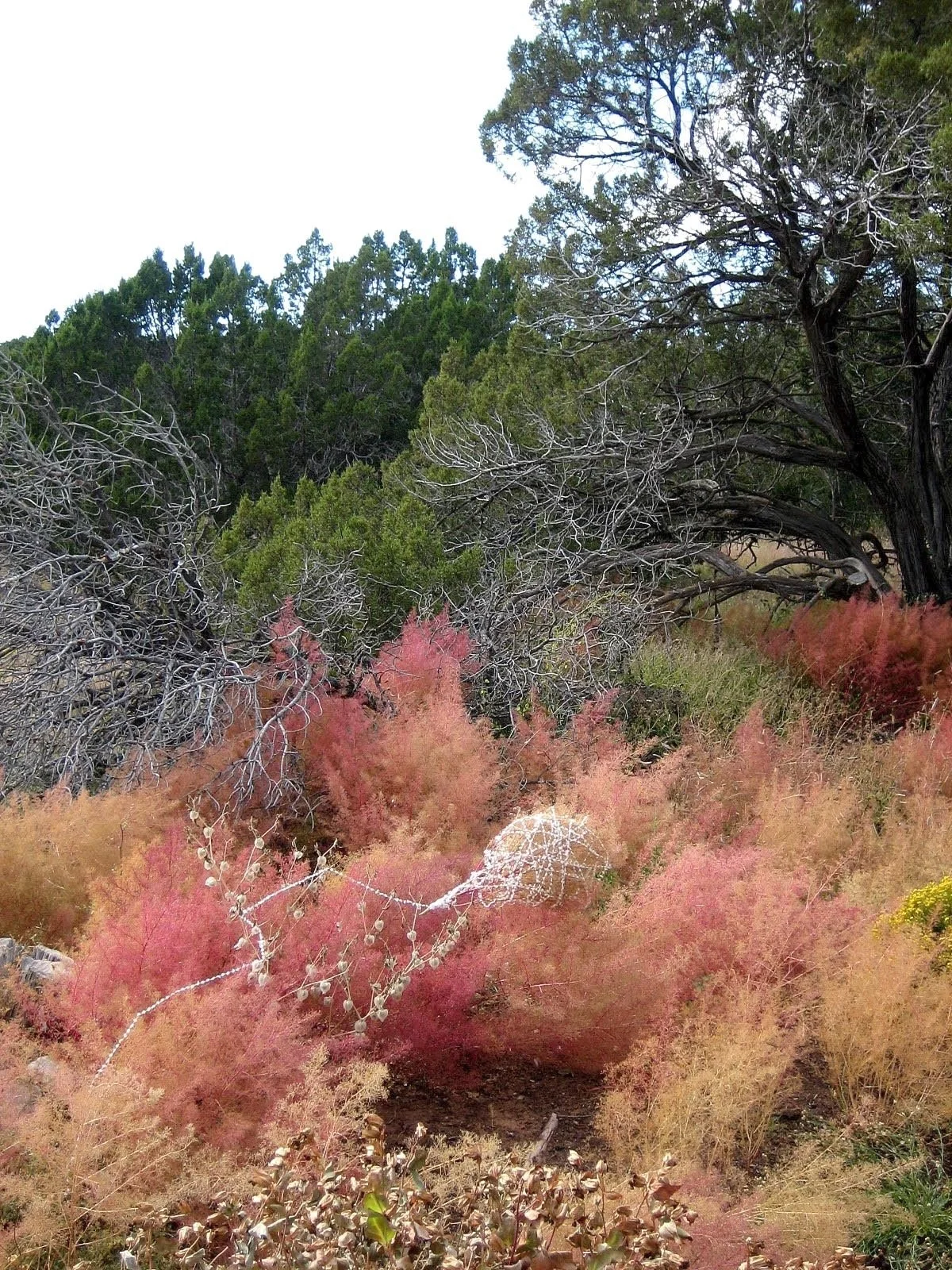
A landscape with colorful, dry, and pinkish-orange shrubbery in the foreground, a tree with bare branches in the middle, and green trees in the background under a cloudy sky.
A natural outdoor scene with a patch of dry soil and small wild plants, including pink, yellow, and green foliage, a tree trunk on the left wrapped with a rope, and a large rock in the foreground. The background features grass and bushes.
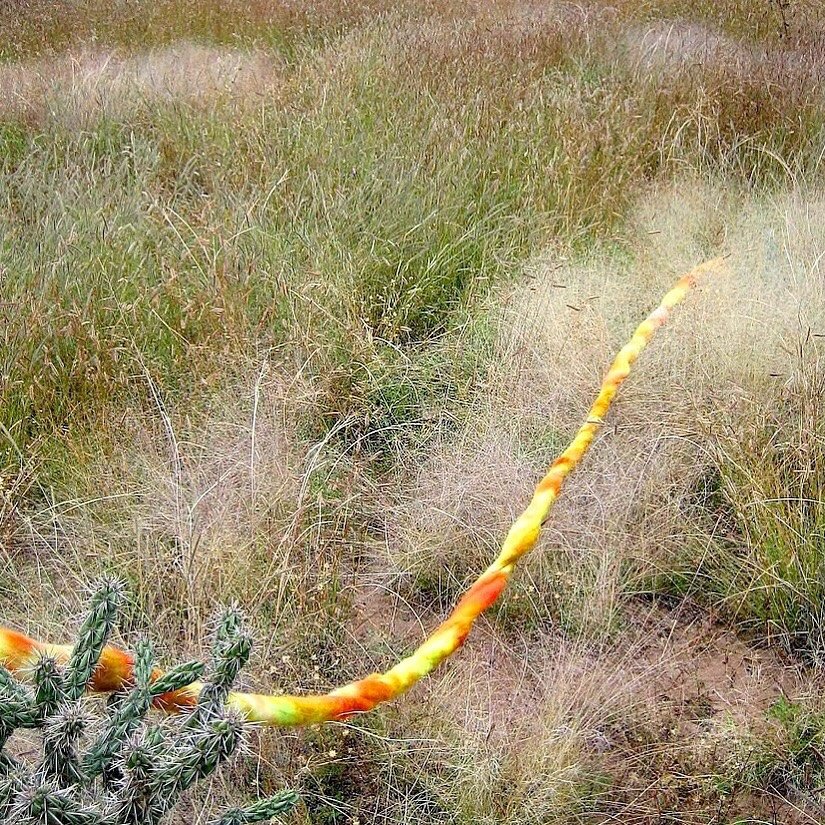
A large yellow and orange cactus flower stem extending over a cactus plant in grassy field.

“I had worked in remote desert locales before, creating temporary, site-specific fiber installations crafted of lightweight materials such as handspun paper twine, plaited vegetation, and floating crocheted fiber. These on-site projects were a means of highlighting the fragility of desert ecosystems and the local flora and fauna subsisting therein. Fiber, as a construction material, allows me to interact unobtrusively with the surface of the land in partnership with sunlight, wind, and the shifting atmospheric conditions that shape an ecological zone. I am also fascinated by the potential that fiber forms have in colonizing an ecological state, without the sculptural imprints or permanent marks of other art processes.

Typically, I prepare for a new body of work by walking (lightly) on a site and observing and documenting (drawing and photographing) its textural qualities and features. I search for subtle traces of organic activity and connective threads that might otherwise be overlooked or ignored.” – from an interview with LAND Views journal
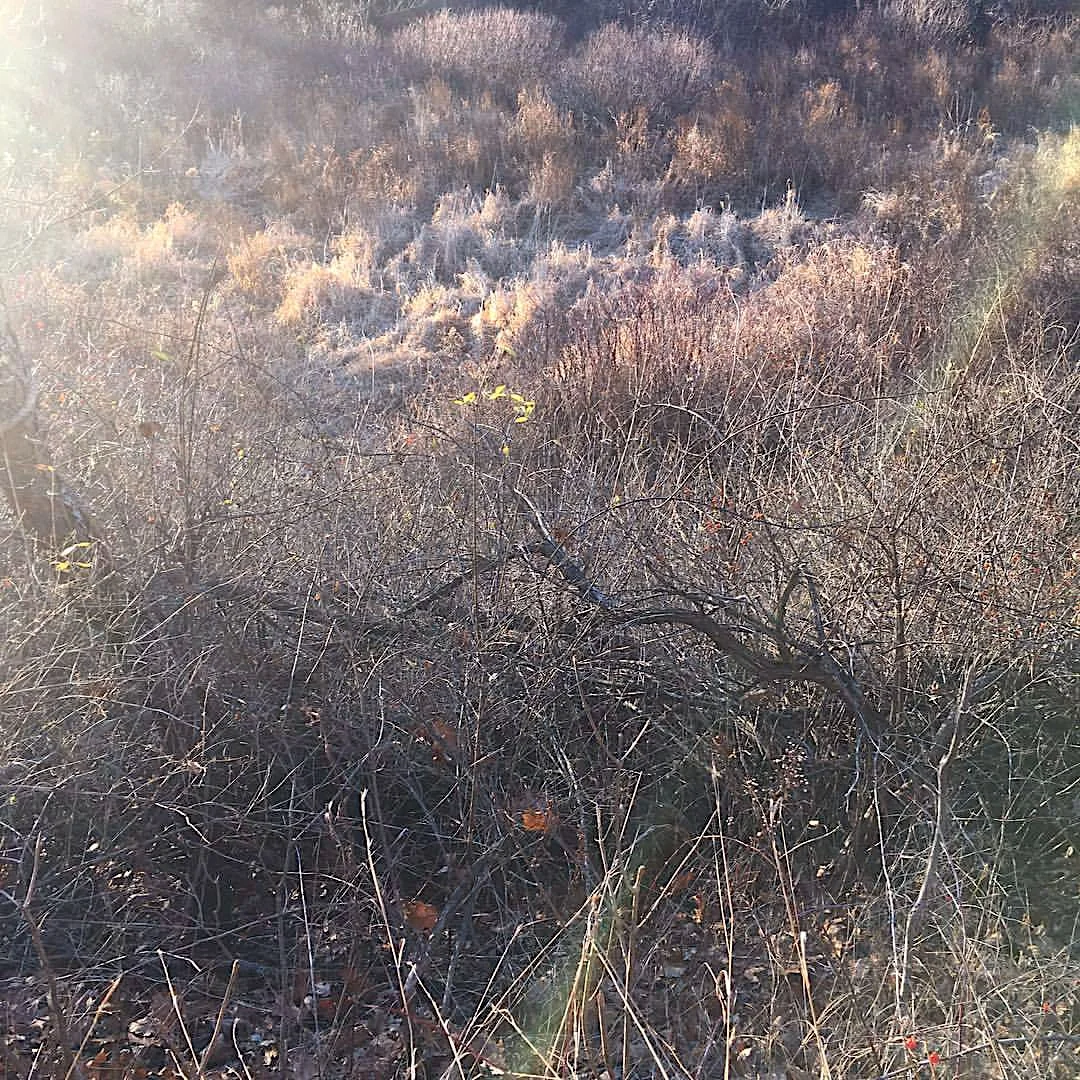
Dry, overgrown field with tall grasses and weeds, some bushes, and no visible structures or animals.
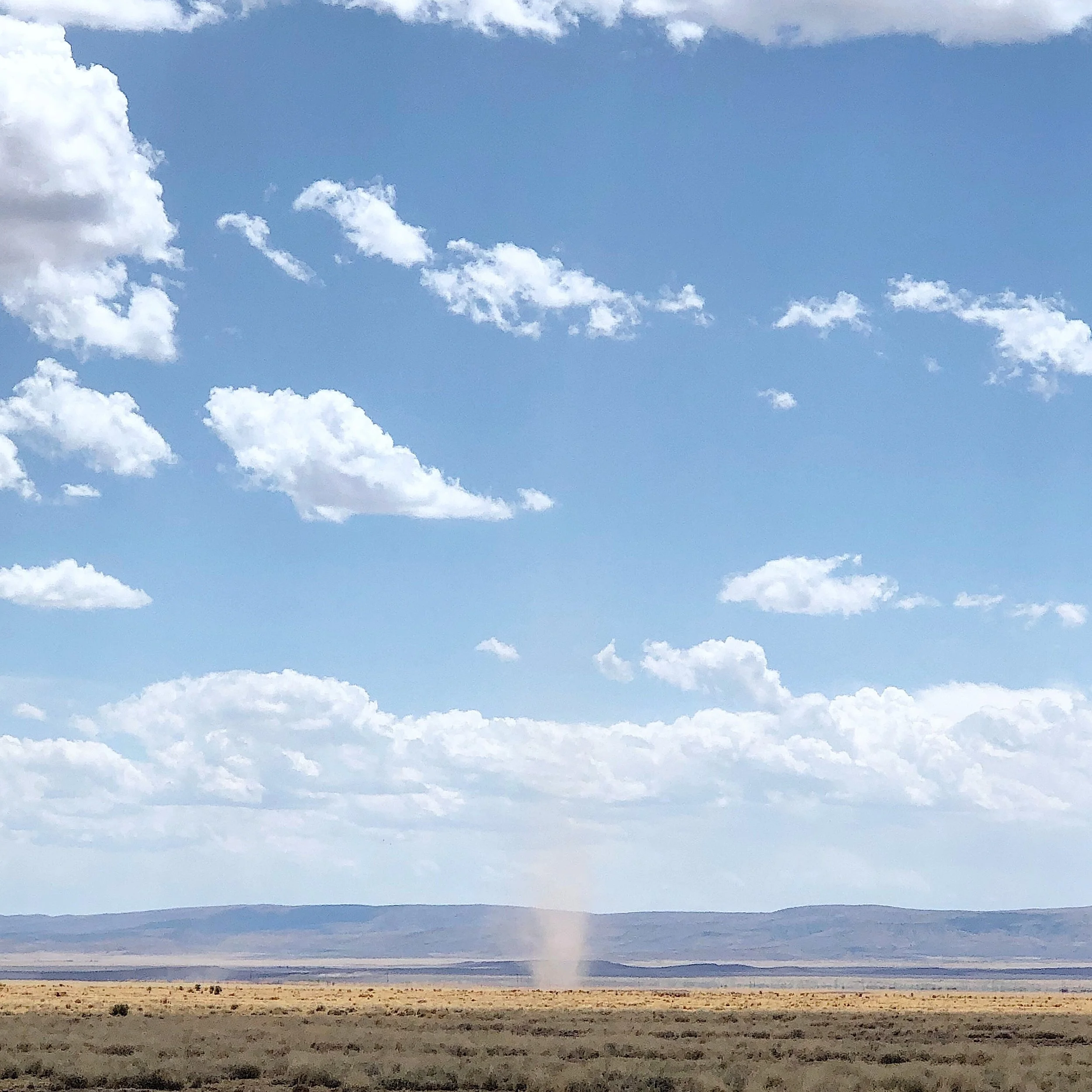
A wide view of a dirt landscape with a mountain range in the distance beneath a partly cloudy sky.
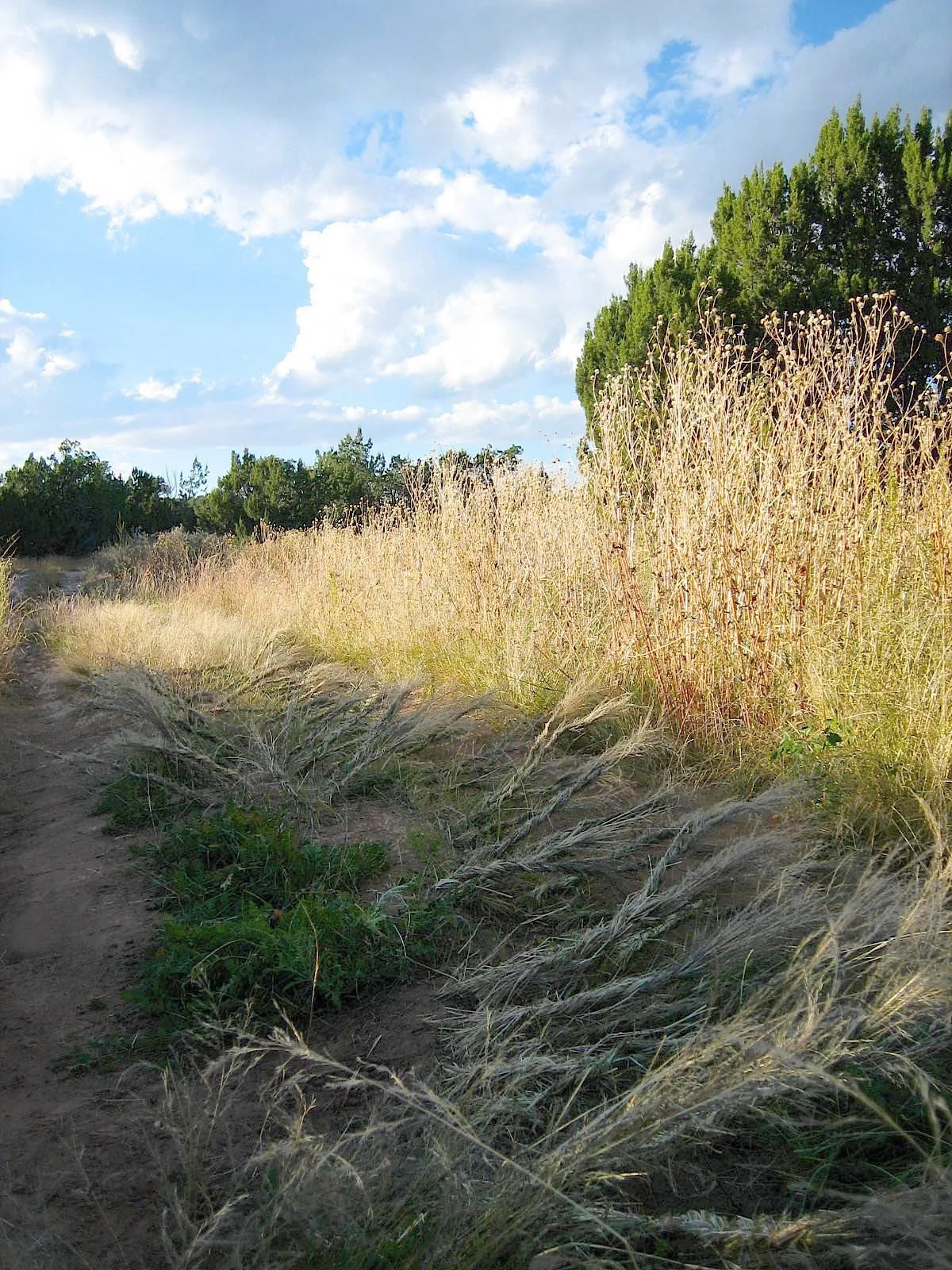
A dirt path running through a grassy field with tall, dry grass, green trees in the background, and a partly cloudy sky above.
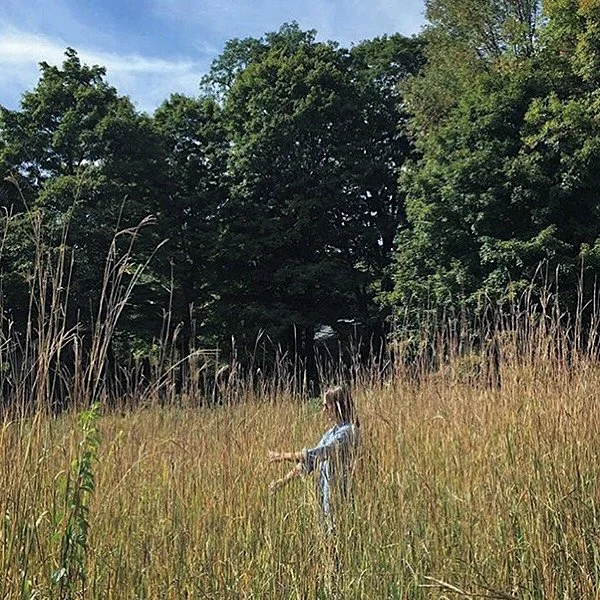
A woman in a light-colored dress stands in a field of tall grass, surrounded by trees with green leaves, under a partly cloudy sky.
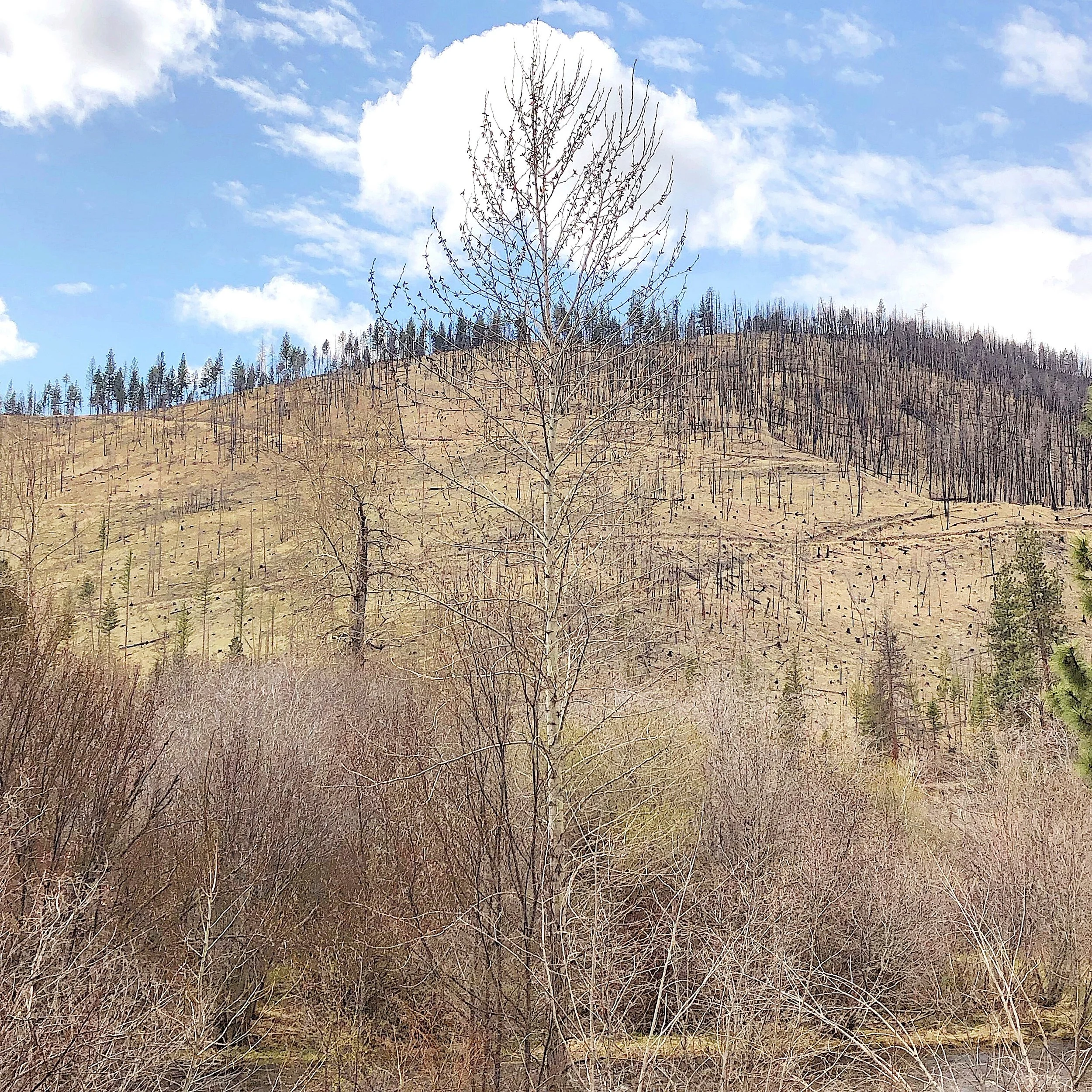
A landscape scene with a bare deciduous tree in the foreground, rolling hills with numerous burnt or dead trees, and a partly cloudy sky with a large cloud in the background.
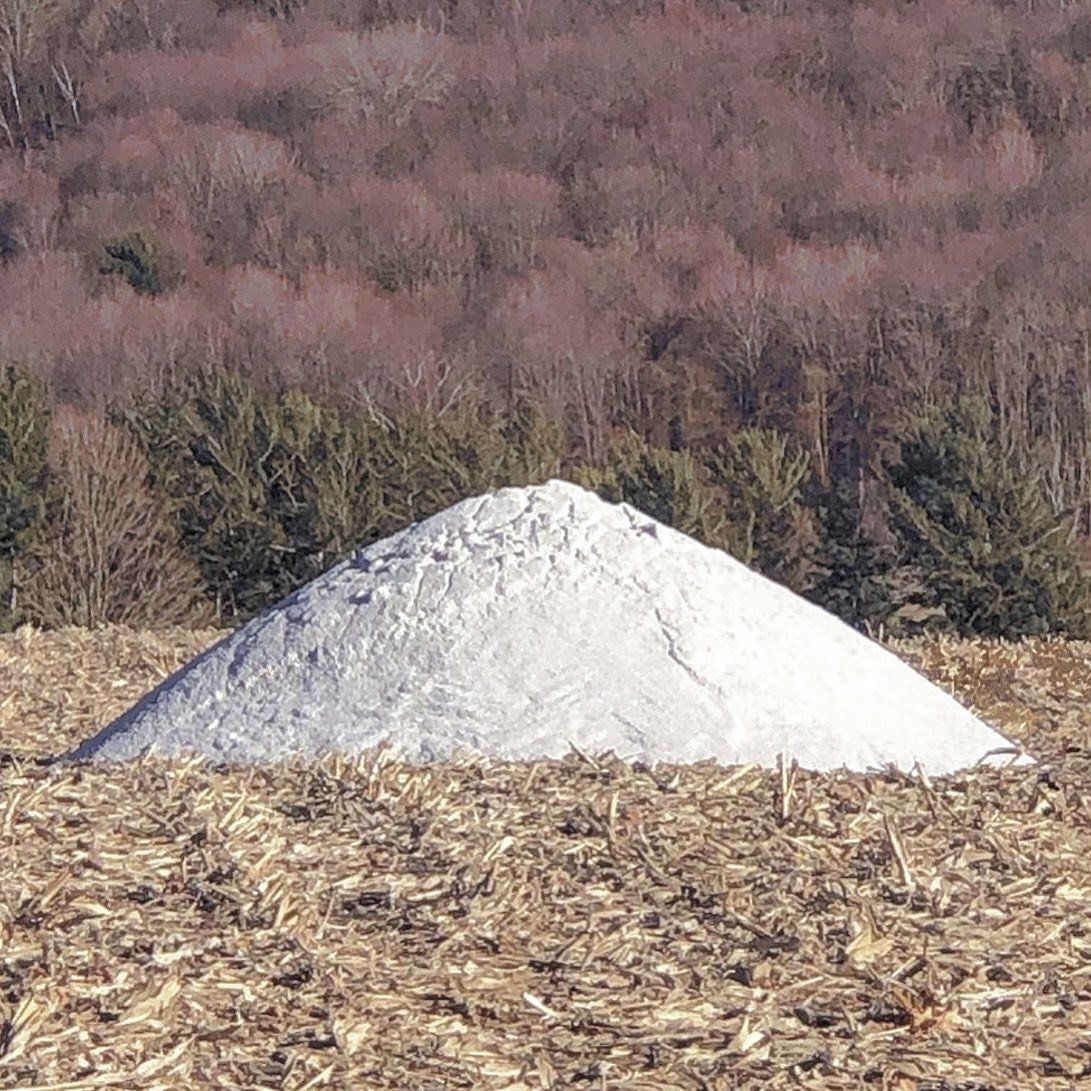
A conical mound of white salt or snow on a field with dried grass, with a background of leafless trees and mountains.